
Sydney’s fire safety guidelines are more than a straightforward checklist. The Annual Fire Safety Statement is an essential part of the process. It does more than meet the legal requirements, but also demonstrates the owner’s dedication and commitment to safety. In conjunction with the Fire Safety Certificate, the AFSS provides the foundation for a structured system that ensures the safety of building occupants as well as assures insurers and provides confidence to councils in the buildings that make up their city.
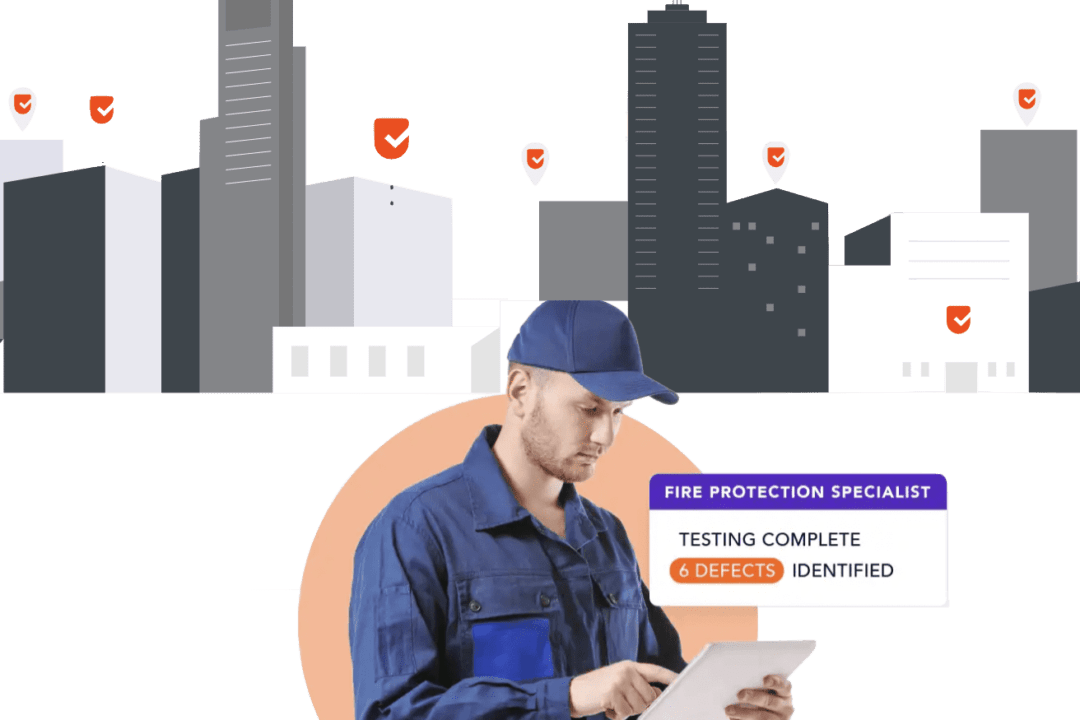
Why there is an Annual Fire Safety Statement
It was never intended to just be a piece of paper solely for the sake of it. The requirement was developed because regardless of how well a fire protection system is constructed, it can only work if it is regularly inspected, maintained and certified. Sprinklers constructed ten or more years ago could look good, but they may not be effective in a crisis when they’re not inspected.
The AFSS demands that owners prove each year that all of their fire protection features that include alarms, exit lighting, and hydrants remain in compliance with the standards originally set in the Building Code of Australia. This is more than just an inspection. It’s an announcement to the world that lives are protected and that the structure is able to withstand any emergency.
The Differentialities Between AFSS and Fire Safety Certificates
Many homeowners confuse the annual report with the Fire Safety Certificate, but their purposes differ. The certificate is issued after an entirely new system is put in place or when major changes are completed. It demonstrates that the latest measures are in compliance with the regulations before the building or tenancy is allowed to be utilized. The AFSS is a later step. It’s a regular job that guarantees that the systems comply with requirements every year.
Together, they form a cycle of protection: certificates validate that safety systems are installed correctly as well as annual audits to ensure that the systems are in good condition throughout the building’s life. If you fail to take care of each step can weaken the entire chain.
The Building Owner’s Responsibility
In New South Wales, the AFSS procedure is unique because the proprietor of the property holds the final say. In contrast to other types of compliance in which defects can be classified as major or minor or major, the AFSS system does not support the creation of a structure. The entire declaration is invalid when any one of the measures fails.
Owners are expected to be proactive. They must plan inspections, work with certified experts, schedule repairs, and lodge documents with council – all while observing strict deadlines. For strata and commercial landlords, this means that they must coordinate with each other. committees, this involves coordination between tenants and contractors, as well as insurance companies. This structure, while challenging, is designed to ensure that security is not affected or delayed.
The impact of AFSS on Sydney
Beyond the legal requirements beyond legal compliance, the AFSS is more extensive in its implications. The most current fire safety statement is typically demanded by tenants when they decide whether or to lease the space. Insurance companies will also require the document prior to finalizing the insurance coverage. A current Annual fire safety statement can therefore influence property value, tenant confidence, and even insurance premiums.
Councils can get assurance that the buildings of thousands across Sydney are regularly monitored. For fire departments, it means systems are more likely to work during real emergencies, reducing risks to both occupants and firefighters. The AFSS doesn’t just concern protecting structures. It is also about making the city safer in general.
Conclusion: AFSS is a Standard of Trust
The Annual fire safety statement Sydney is a requirement that may appear to be a bureaucratic hurdle However, in reality it’s a sign of confidence. The statement demonstrates that the safety of your home isn’t just left to chance. It is a proof of the quality of equipment, and that property owners are accountable to ensure the security of their inhabitants. When combined with a Fire Safety Certificate, it completes a system that verifies both the construction and continuous performance of the critical security measures.
The message for property owners is clear: AFSS is much more than a mere deadline. It’s a commitment to security, accountability and community trust. In the ever-growing urban sprawl of Sydney in which thousands of people depend on secure and efficient buildings, that dedication is what truly makes the AFSS valuable.