
Color may be exactly right, but extended wear exposes a problem with cap comfort. Another appreciates the natural-looking hairline but doesn’t want to spend twenty minutes adjusting the lace every morning. The unit is visually appealing, but a different buyer finds the density surprisingly heavy once it is worn.
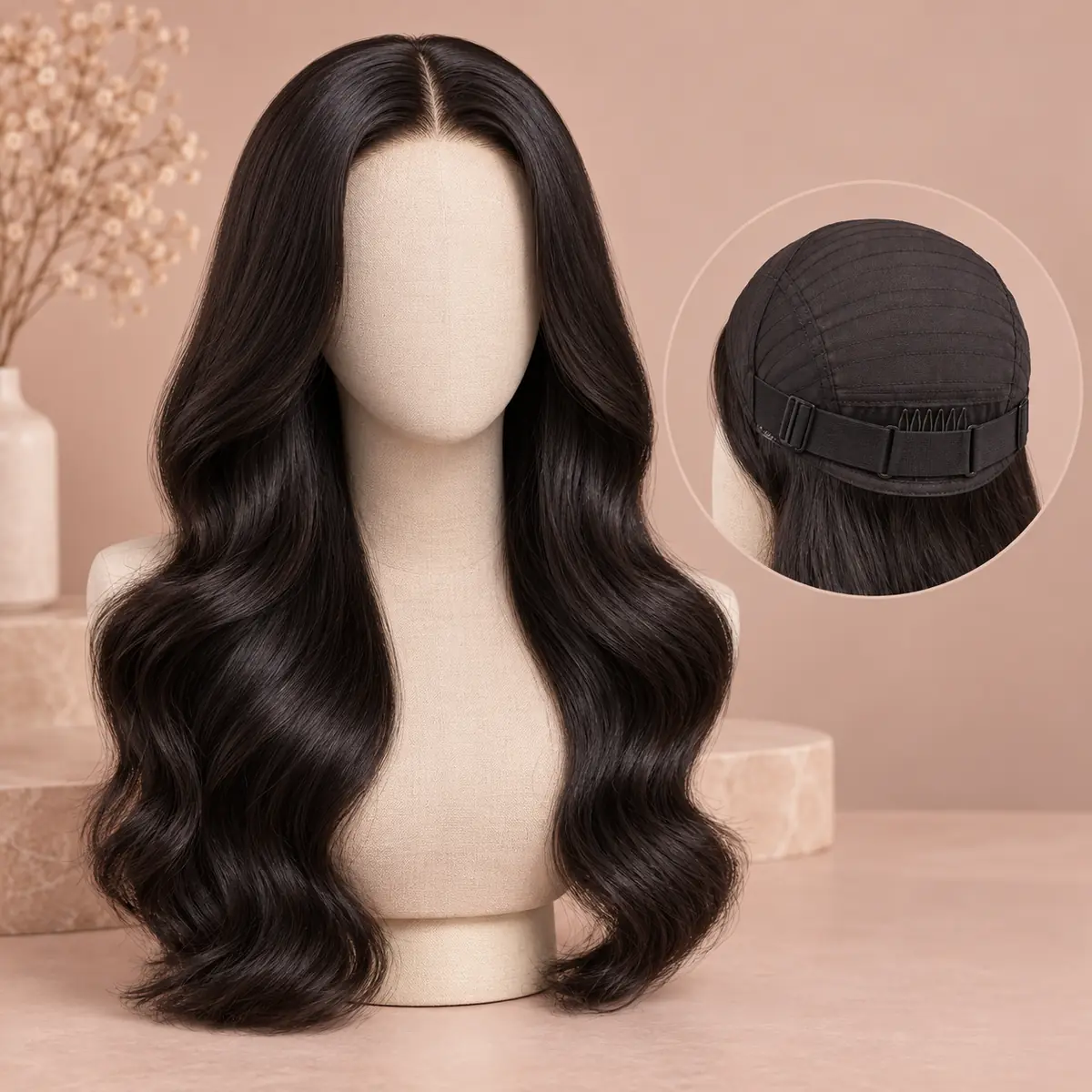
Image credit: vayorahair.com
For a wig brand, these comments are more than customer feedback. They identify opportunities to create wigs customers actually enjoy wearing.
A successful range does not have to center on the latest viral hair trend. A collection should begin with the customer’s expectations and the experience they want when they put it on.
What Buyers’ Concerns Reveal About Product Needs
A customer’s account of a concern is rarely expressed in technical production vocabulary. Comfort during wear, ease of use, how it looks and how confident the wearer feels are what customers discuss. When a buyer asks for a simpler morning routine, a glueless construction may be worth exploring. Feedback about a hairline that does not look natural can highlight possible issues with lace appearance, knot treatment, hair density, or the design of the part.
A human hair wig manufacturer China brands work with should be able to translate these everyday concerns into measurable product specifications.
A request for a 22-inch body-wave wig can go well beyond length and texture: buyers can specify how the wig should feel when worn, cap fit, lace construction, hairline appearance, and finished weight. The development process benefits from having a clearer set of objectives.
Make Your Private Label Collection Recognizable
A common misstep for emerging wig brands is to build their range around whatever is popular at the time. Such an approach can leave the brand with a catalog that closely resembles competitors’ offerings.
To build a more recognizable identity across its products, a brand can collaborate with a private label wig manufacturer China retailers work with. Possible directions include lightweight wigs for daily wear, a premium collection with natural-looking hairlines, or ready-to-wear units for buyers who want minimal preparation. To keep the collection cohesive, align texture, length, color, density, cap construction, and packaging with one customer promise. Rather than relying solely on temporary price incentives, a recognizable collection offers shoppers another motivation to shop again.
Glueless Construction Depend on More Than Terminology
A glueless label may be simple, yet how the wig feels during wear is shaped by multiple aspects of construction. Everything from the size of the cap and adjustment features to attachment components, lace preparation, and hairline design influences how securely and comfortably the unit fits.
A glueless wig manufacturer China buyers choose should help clarify these requirements before production begins. An easy-to-manage density, pre-cut lace, and simple adjustment features may be particularly important when the intended customers are new to wigs. By contrast, a range for professional hair stylists may call for a different set of customization features. Neither approach is automatically better. What distinguishes them is the customer they serve.
Why Sampling Helps Protect a Brand
Even a clear product image provides only part of the information about a wig. Buyers need to examine how the cap fits, how the hair moves, whether the color matches expectations, and whether the finished construction reflects the approved design. Reviewing samples allows buyers to identify differences before ordering in greater quantities.
Consistently producing the same style calls for clearly recorded requirements and quality-control procedures, particularly for a wholesale human hair wigs supplier handling repeat orders. Even a good first production run may be hard to replicate consistently if adequate references are unavailable.
Design Your Collection for Future Growth
VAYORA supports B2B wig brands, retailers, and distributors through product development, private label services, sampling, specification control, and repeat-production workflows. Its approach connects customer expectations with the physical details that determine how a wig looks, fits, and feels.
A catalog expansion should follow a careful review of customer feedback, identification of the strongest product opportunities, and establishment of explicit approval standards. The next collection’s success may have little to do with the number of additional styles. The greater opportunity may lie in making fewer compromises in the designs buyers already seek.