
In the past, many thought of body contouring as a simple concept removal of fat to reduce the size of an area. Modern cosmetic surgery involves a significantly greater amount of nuance. Surgeons now evaluate the proportions, distribution of fat and skin quality, as well as the existing anatomy and the patient’s desire form before suggesting a treatment program.
At PRM Cosmetic Surgery, procedures are individualized to meet these factors. The options range from liposuction to fat transfer to technologies intended to address skin laxity offering surgeons many ways to achieve body contouring instead of relying solely on one technique.
Proportion is the key to the success of liposuction.
Individuals looking for the ideal liposuction option will typically be focused on the amount of fat that could be removed. The issue of how removal of fat affects your overall shape is a more relevant one.
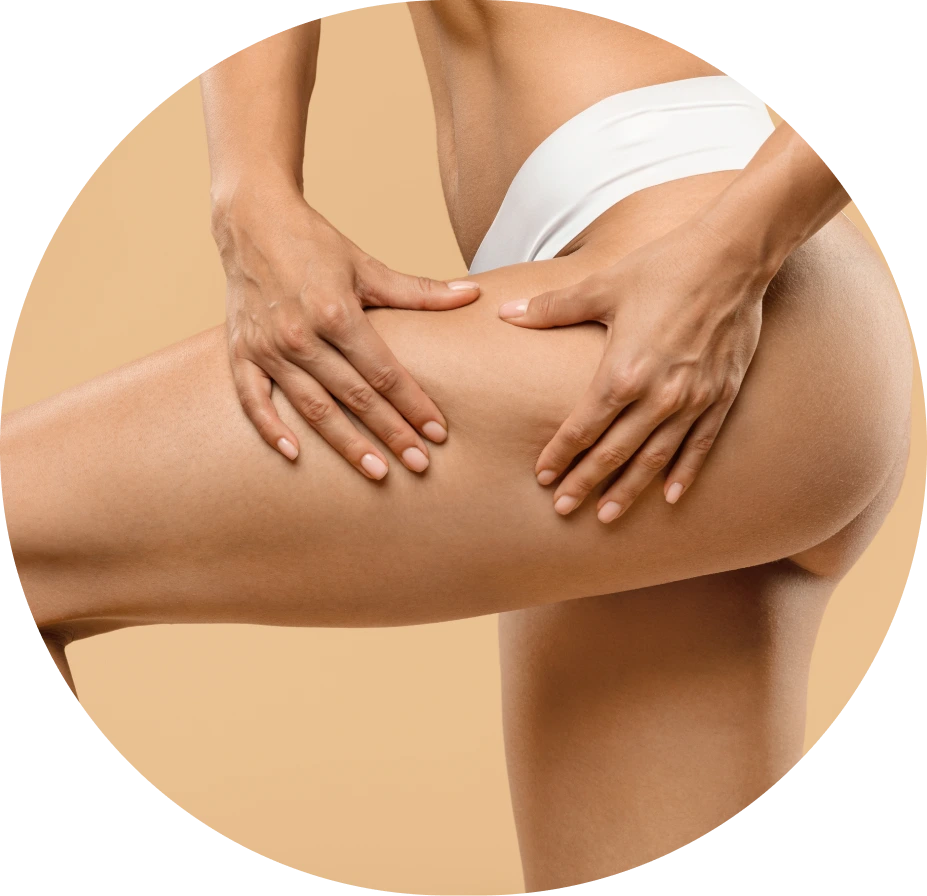
Image credit: prmsurgeons.com
Removing fat from the abdomen is a good example. It can change how the waist relates to hips. Treatment of the flanks might further define this transition. Careful and precise removal doesn’t necessarily mean more effective. It’s important to keep the natural frame of the patient, while also creating more rounded contours.
PRM provides advanced procedures, including tumescent numbing liposuction. The procedure is custom-made to the specific area being treated as well as the patient’s goals.
Skin Quality is Important
Skin and fat are different in their behavior. Although liposuction may remove some small amounts of fat, it does not mean that the skin covering the fat will tighten according to the desired.
Skin tightening is an issue that can be discussed. The effects of age, genetics, previous weight changes, pregnancy and even the current elasticity of your skin can affect the way that skin reacts to shaping.
Technology like Renuvion JPlasma might be considered if the treatment plan involves concerns about laxity of the tissues. Rather than viewing tightening as a last-minute option, surgeons can evaluate skin characteristics in the process of establishing the initial body contouring technique.
Quantum RF Where it fits into the conversation
Radiofrequency technology in aesthetic medicine has widened the possibilities. Quantum radiofrequency is a different option to consider when discussing body contouring and tightening.
But, it isn’t the only component of treatment. Technology is not able to replace anatomical knowledge or surgical judgement. Patients need to understand what the purpose of a particular technology and why it is recommended. They should also know what the device’s purpose is to accomplish and the limitations that apply to their particular situation.
A Brazilian Butt Lift changes the shape more than the Buttocks.
A brazilian butt lift offers a useful example of how modern contouring involves relationships between different parts of the body. The procedure uses the patient’s own fat that is taken from specific areas of donor and then transfered to the buttocks.
The visual result is achieved by two different changes shaping the areas where the fat has been removed and incorporating volume as needed. The abdomen, waist hips, flanks, as well as buttocks will affect how the final silhouette appears.
Personalized Planning Is More Important Than a Fashion
The popularity of one particular procedure or method should not be the sole factor in deciding on any cosmetic procedure. Two people who want a smaller waist could have different expectations, in terms of skin elasticity, fat distribution and proportions.
PRM Cosmetic surgery places a premium on individual attention and provides many body contouring options tailored to the specific needs of each patient. A thorough consultation gives patients the chance to discuss the anatomy, surgical options the expected recovery, possible risks, and realistic outcomes prior to deciding if surgery or another cosmetic procedure is suitable.